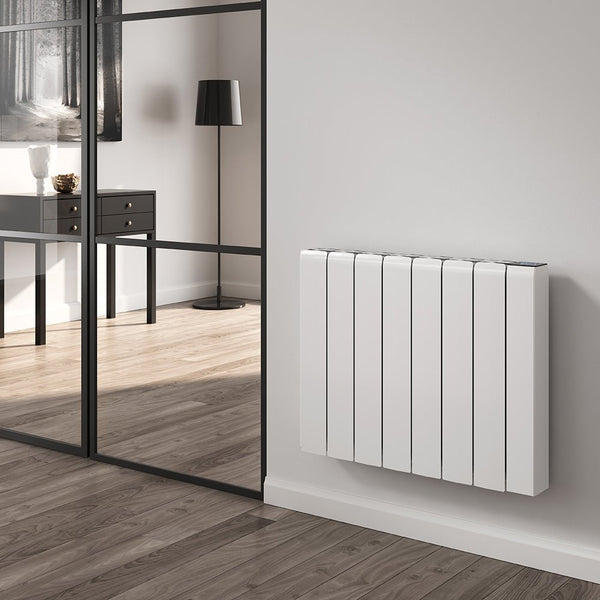
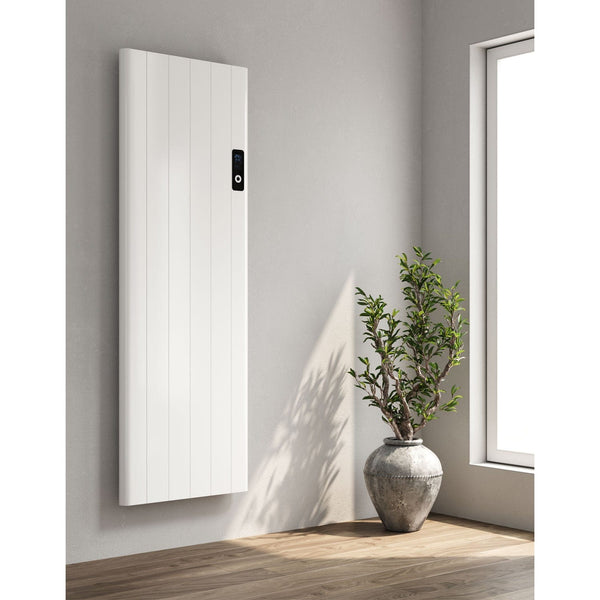
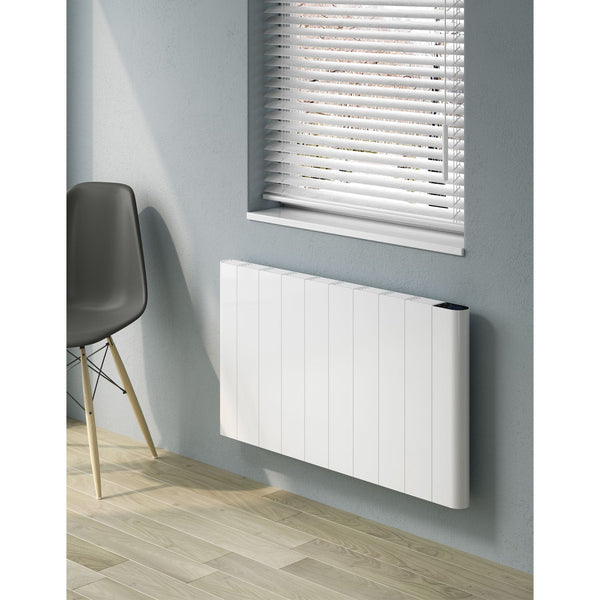
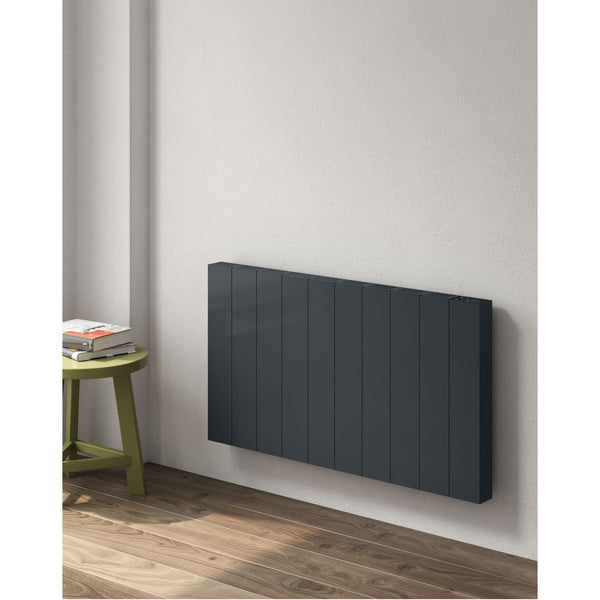
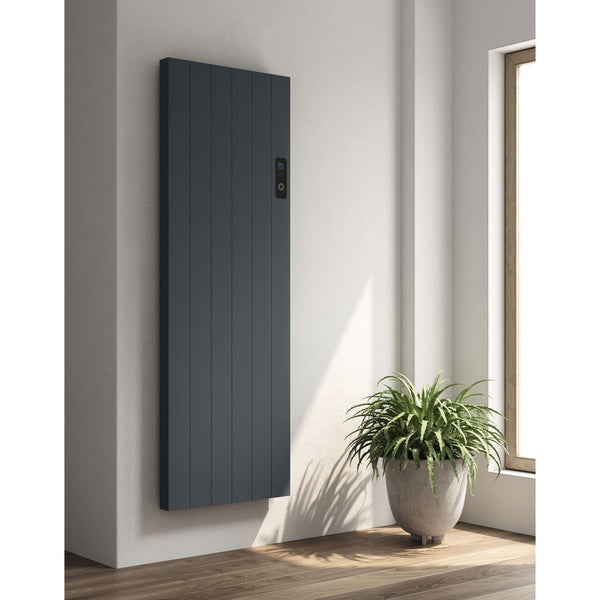
Heat Pump Radiators
14 years supplying UK bathrooms, est. February 2012. Free delivery on orders over £200. 5-year manufacturer's warranty on all towel rails.
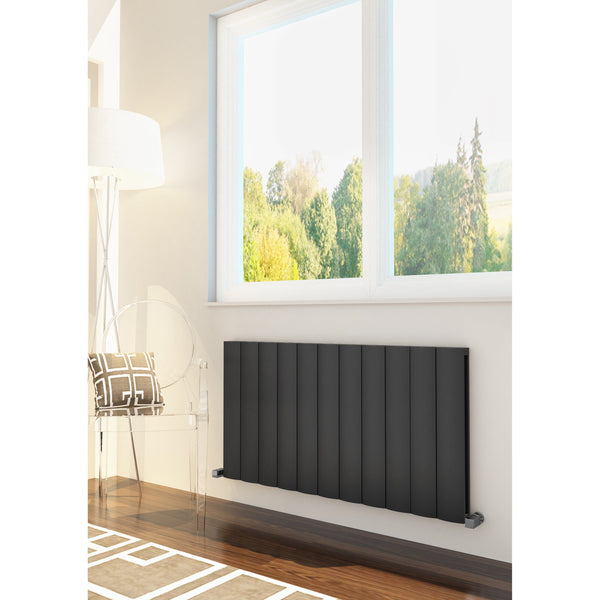
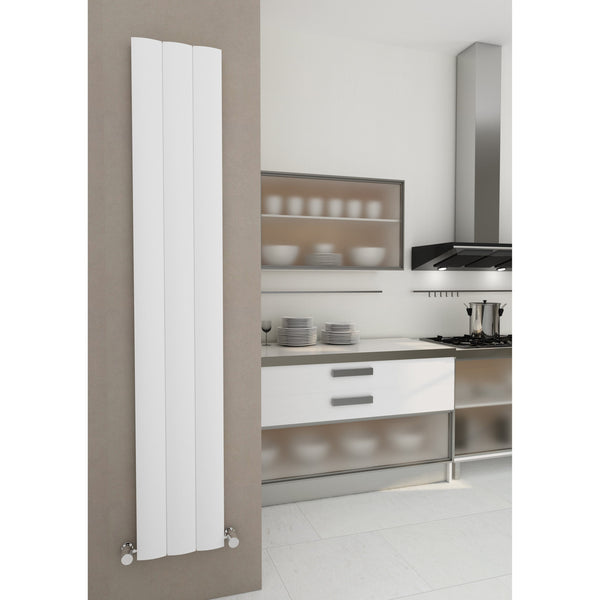
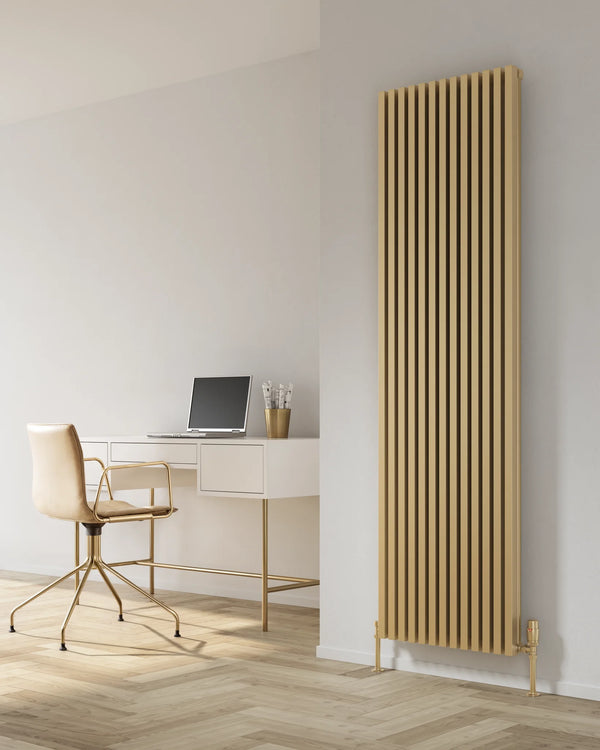
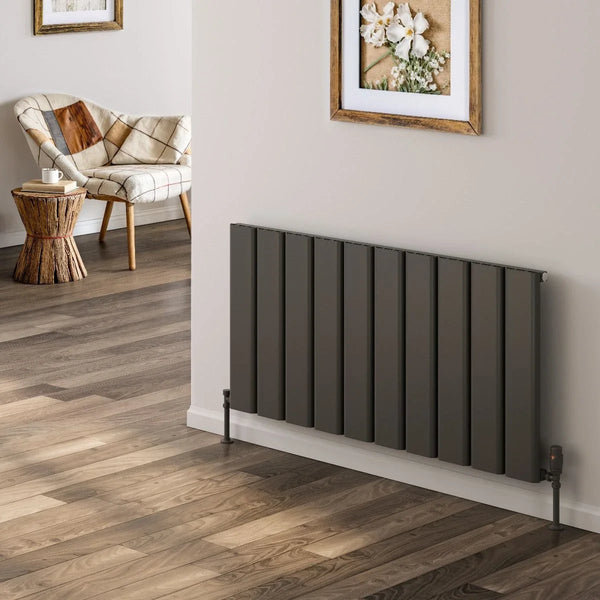
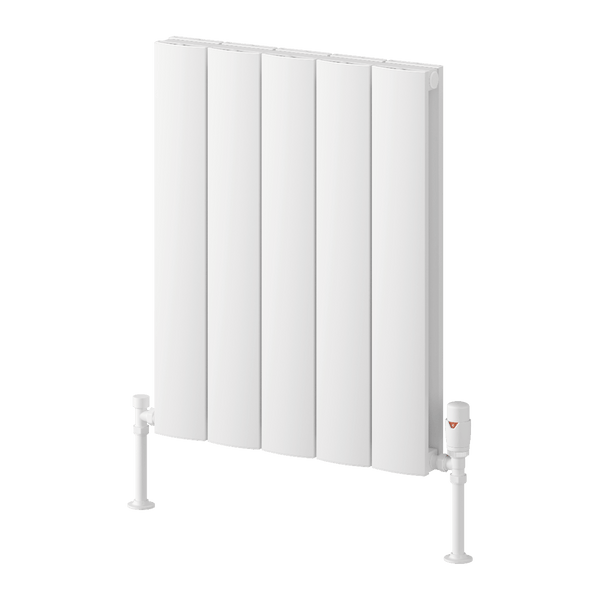
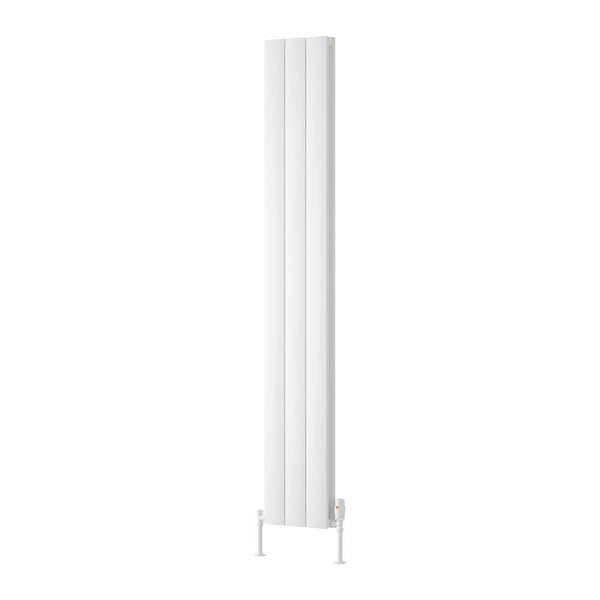
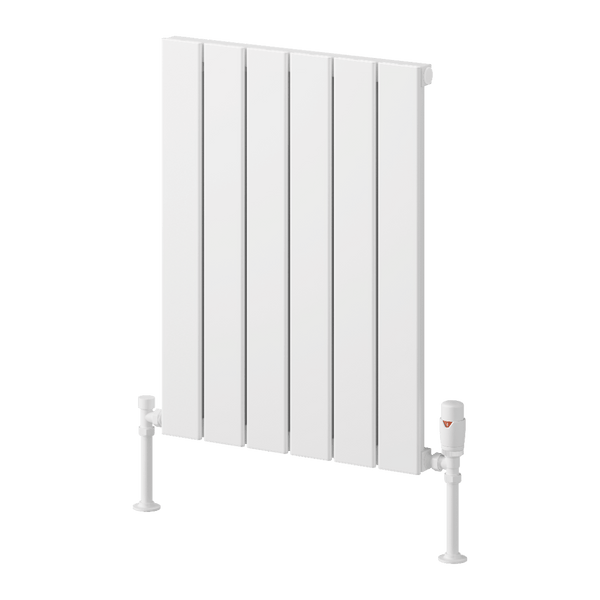
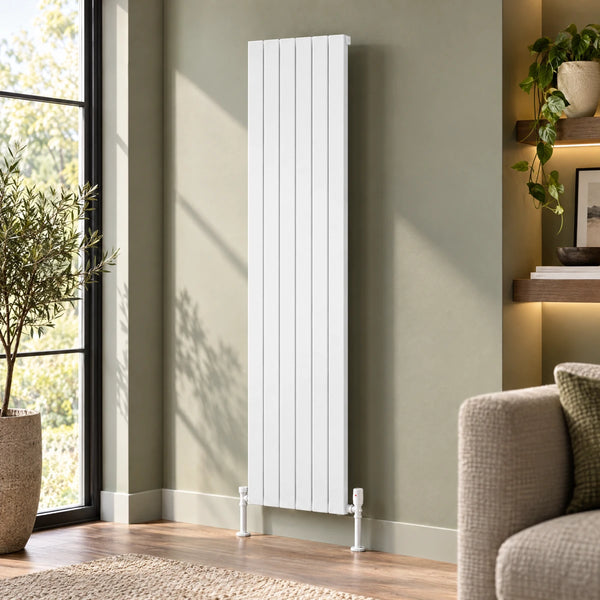
When you switch to a heat pump, your radiators become the weakest link. Heat pumps deliver water at 35–50°C — a gas boiler runs at 70°C. The same steel radiator that kept your living room warm in January will now emit roughly half the heat it used to. Aluminium changes that equation: it transfers heat more efficiently at lower flow temperatures, it has a fraction of the water volume of steel so it responds faster, and it doesn't accumulate the sludge and corrosion that gradually throttle steel radiators in older systems. Every radiator in this collection is rated for heat pump operation.
How to Size a Radiator for a Heat Pump
Standard radiator sizing uses ΔT50 — the output when the mean water temperature is 50°C above the room. Heat pumps operate at ΔT30 or lower. At ΔT30, a radiator emits approximately 51% of its ΔT50 rating.
That means your sizing rule changes completely:
Target BTU (ΔT30) = room BTU requirement ÷ 0.51
Example: a room needing 2,000 BTU needs a radiator rated at least 3,920 BTU at ΔT50 — or 2,000 BTU at ΔT30.
Always size from the ΔT30 column in any heat output table, not ΔT50. If a manufacturer only publishes ΔT50, multiply by 0.51 to estimate ΔT30 output. Our BTU calculator will give you the room requirement — then divide by 0.51 to find the minimum ΔT50 rating you need.
Why Aluminium Works Better with Heat Pumps
Steel radiators are sized for high-temperature systems. Aluminium is not — it was designed from the outset to deliver strong output at lower flow temperatures. Three reasons it suits heat pumps better than steel:
- Low water content. An aluminium radiator holds a fraction of the water volume of an equivalent steel panel. Less water = faster warm-up. With a heat pump running at lower temperatures, this matters — a sluggish radiator means the system overshoots or short-cycles.
- Higher output per section at ΔT30. The fin-and-column construction of aluminium radiators creates more surface area per unit of water, which extracts heat more effectively at the low temperature differentials heat pumps produce.
- No sludge accumulation. Aluminium is naturally corrosion-resistant and doesn't react with inhibitors the way steel does. In a heat pump system — where flow rates are typically lower and any blockage is amplified — clean pipework matters.
Heat Pumps and Towel Rails in Summer
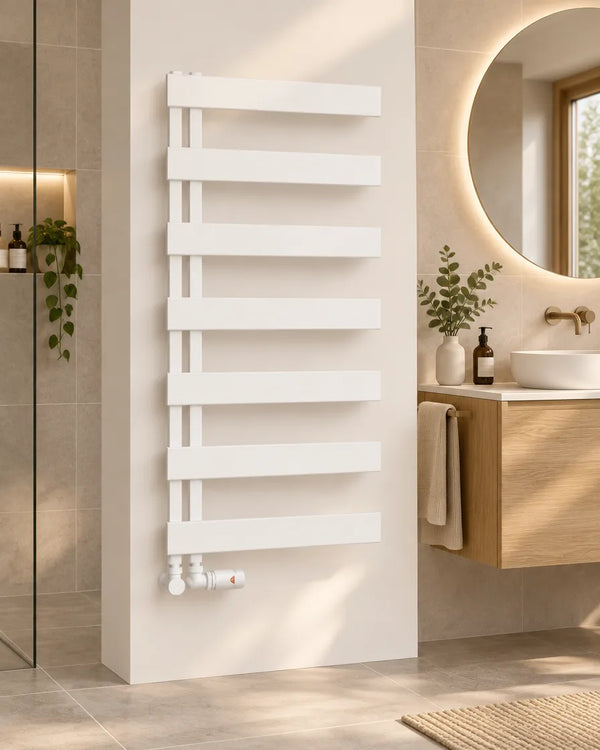
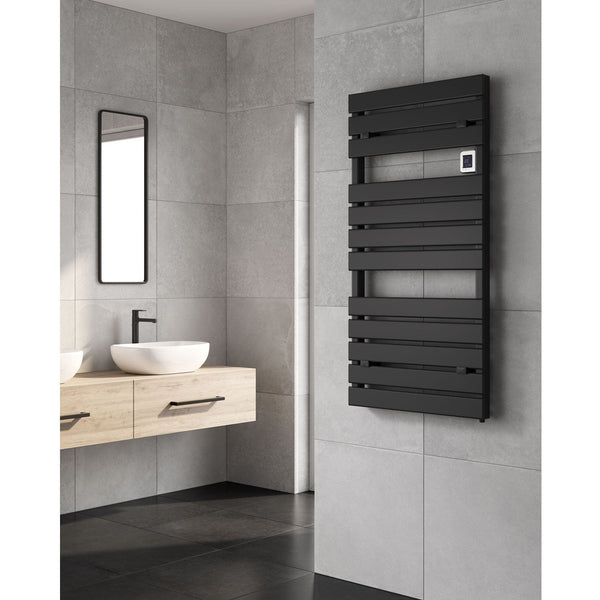
Heat pumps typically don't run central heating in summer — which means your bathroom towel rail goes cold from April to October. A dual fuel towel rail solves this: it runs off the central heating circuit in winter, and an electric element keeps it warm in summer independently of the boiler or heat pump. If you're planning a heat pump installation, it's worth specifying dual fuel towel rails at the same time.
Frequently Asked Questions
Do I need to replace all my radiators when getting a heat pump?
Not always — but most homes will need at least some radiators upgraded or upsized. A heat pump installer will do a heat loss calculation for each room and compare it against the ΔT30 output of your existing radiators. Rooms where the existing radiator falls short need upgrading. In practice, older properties with small steel radiators often need significant changes; well-insulated modern homes with larger radiators may need fewer replacements. Aluminium radiators in the right size will satisfy even the most demanding rooms.
How do I know what size radiator I need for a heat pump?
Calculate your room's BTU requirement using our BTU calculator, then divide by 0.51 to find the minimum ΔT50 rating the radiator must have. For example: a 2,500 BTU room needs a radiator rated at least 4,900 BTU at ΔT50 (or 2,500 BTU at ΔT30). Always check the product's ΔT30 figure — not the headline ΔT50 number — when comparing radiators for a heat pump installation.
What flow temperature do heat pumps run at?
Most air source heat pumps in UK homes run at a flow temperature of 35–50°C, depending on the outside temperature and the system design. The colder the weather, the higher the flow temperature needed to compensate. Modern heat pumps are most efficient (highest COP) when running at the lowest possible flow temperature — which is why getting radiator sizing right from the start allows the heat pump to run cooler and cheaper. A well-designed system with correctly sized aluminium radiators can often run at 40–45°C flow, even in cold weather.
Are aluminium radiators better for heat pumps than steel?
For most applications, yes. Aluminium delivers higher output per litre of water at low flow temperatures, responds faster to changes in flow temperature, and stays clean longer. The main advantage of steel is cost — a basic steel panel radiator is cheaper to buy. But for a heat pump system where you're investing £8,000–15,000 in the heat pump itself, specifying the right radiators from the start is a false economy to skip. Aluminium typically adds £50–150 per radiator over equivalent steel but the system performance difference over 10+ years is substantial.
Can I keep my existing heated towel rails with a heat pump?
Possibly — it depends on the size and output. Most standard chrome ladder towel rails are undersized for heat pump flow temperatures unless they're large (750mm wide or more). Check the ΔT30 figure for your existing rail: if it's below your bathroom's BTU requirement, it needs upsizing. The good news is that our chrome, anthracite and white towel rails are available up to 1200mm wide and 1800mm high, and larger sizes often satisfy even a cold north-facing bathroom at ΔT30. If you're keeping your towel rail, adding a dual fuel kit means you can run it electrically in summer when the heat pump isn't heating the circuit.