


Electric Towel Rails | Pre-Filled, Thermostat, WiFi & Timer
14 years supplying UK bathrooms, est. February 2012. Free delivery on orders over £200. 5-year manufacturer's warranty on all towel rails.
Electric Towel Rails Expert Buying Guide & Full Range
A good electric towel rail does something most people underestimate until they've experienced it: it means your towel is warm, fresh and soft when you press it to your face at 7am. Not cold. Not damp. Not that faint smell that builds up when towels never fully dry. The morning routine face wash, teeth, drying off is the first thing you do every single day, and a properly heated towel makes it feel completely different. But here's what most buyers miss: electric towel rails take up to 30 minutes to reach full temperature, so without a timer or thermostat, you've bought the luxury and missed the point. After 10+ years supplying these, the calls I dread most are from customers who ordered the wrong size, had a bad installation, or simply never got the warmth they expected. This guide exists so that doesn't happen to you.
Types of Electric Towel Rails
When it comes to electric towel rails, there are several types to choose from, each suited to different needs and preferences. Here's a breakdown:
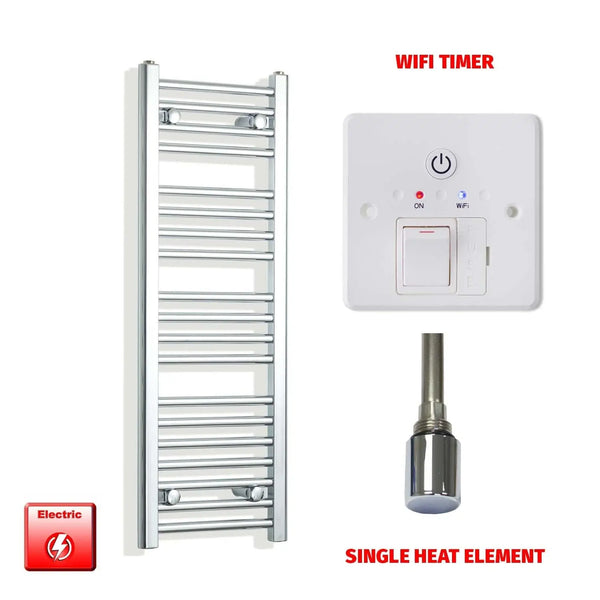
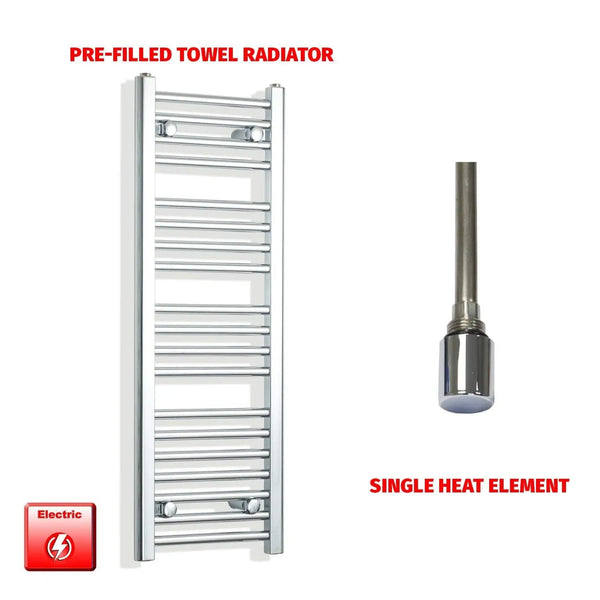
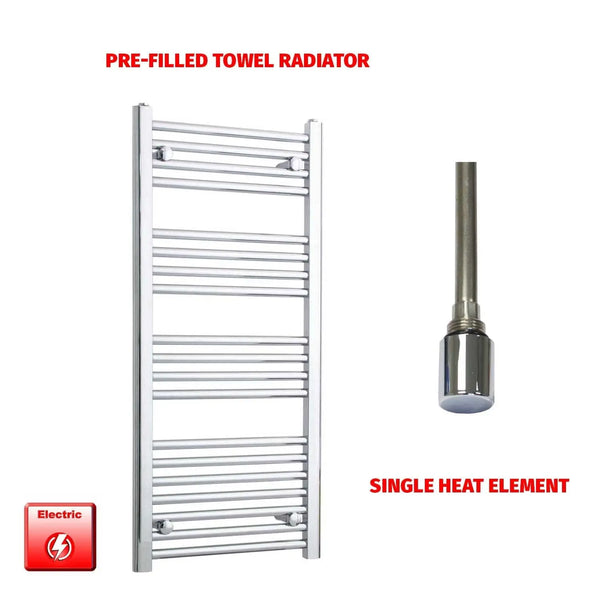
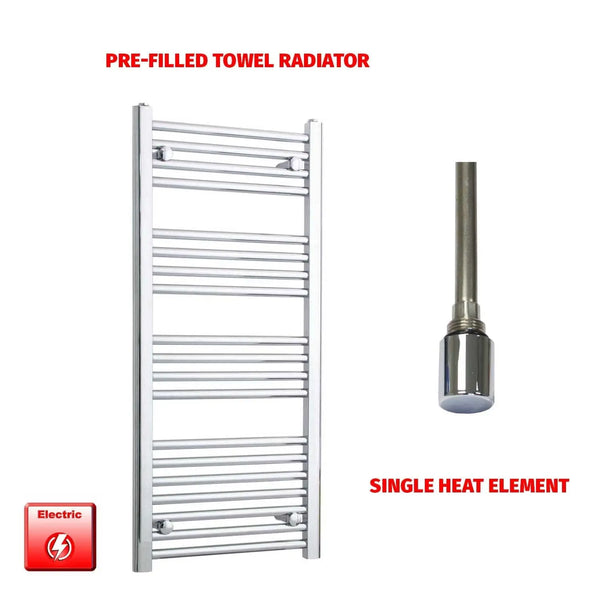
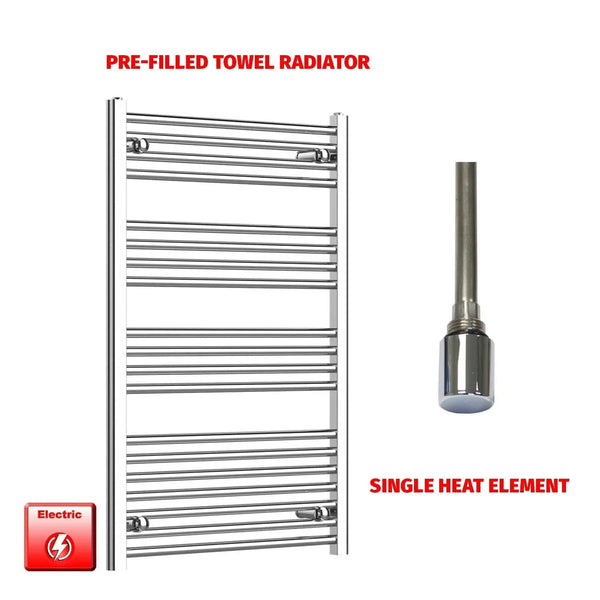
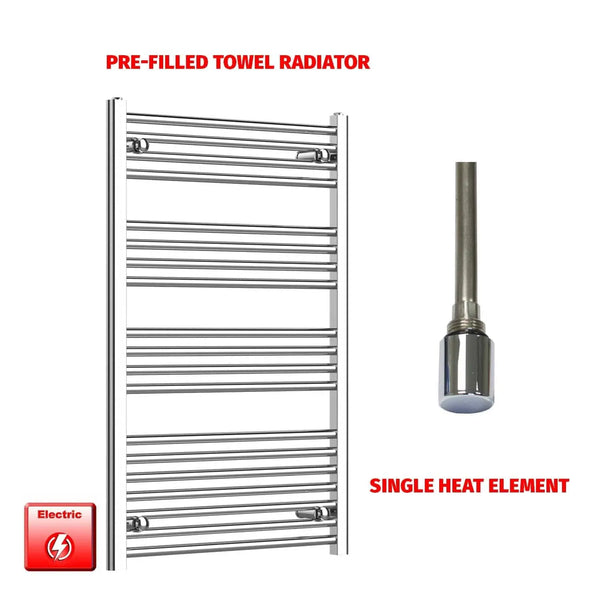
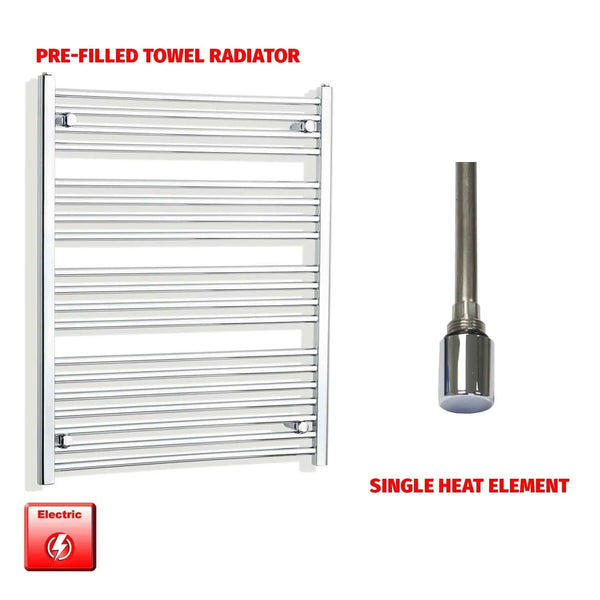
- Chrome: A timeless classic that complements most bathroom styles. Best for modern or traditional bathrooms. However, avoid cheap models as the elements can corrode over time.
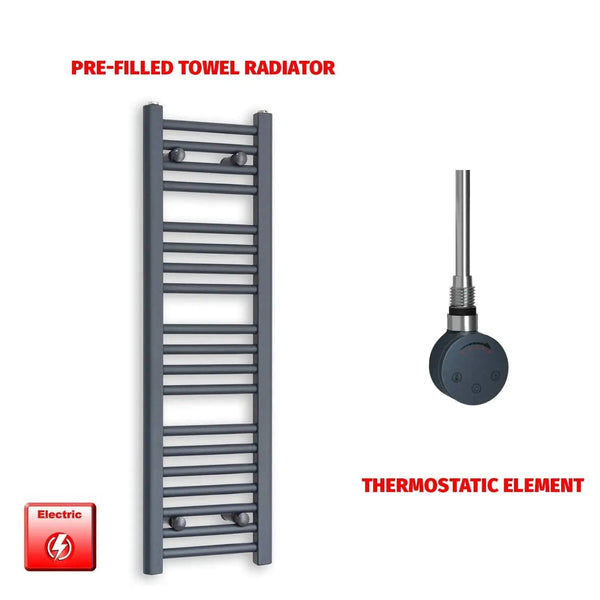
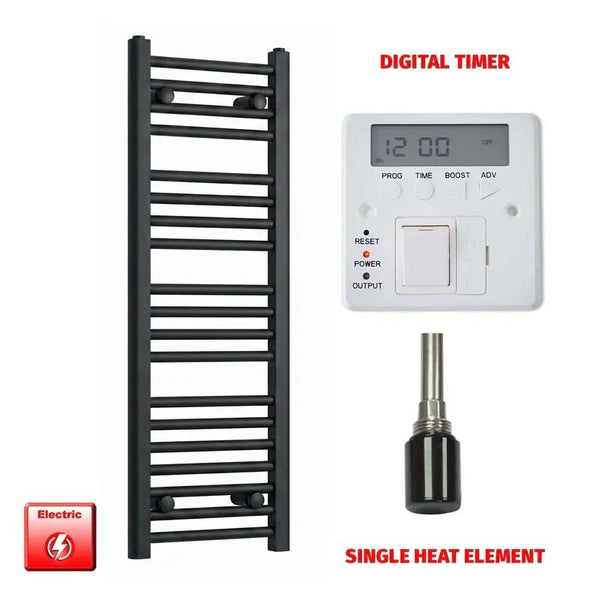
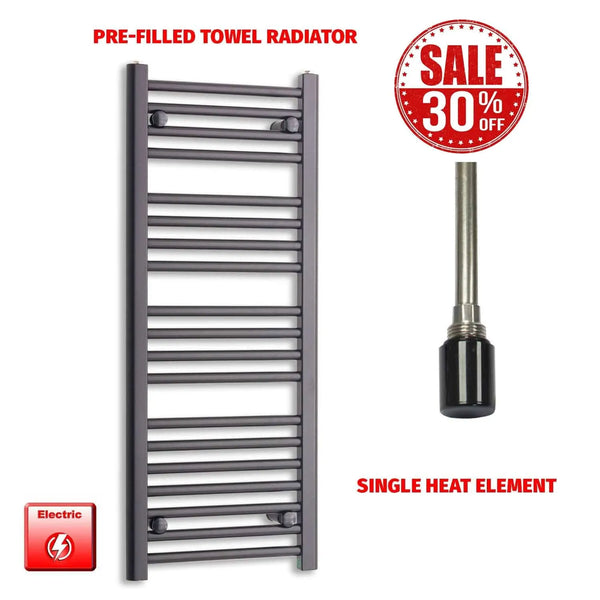
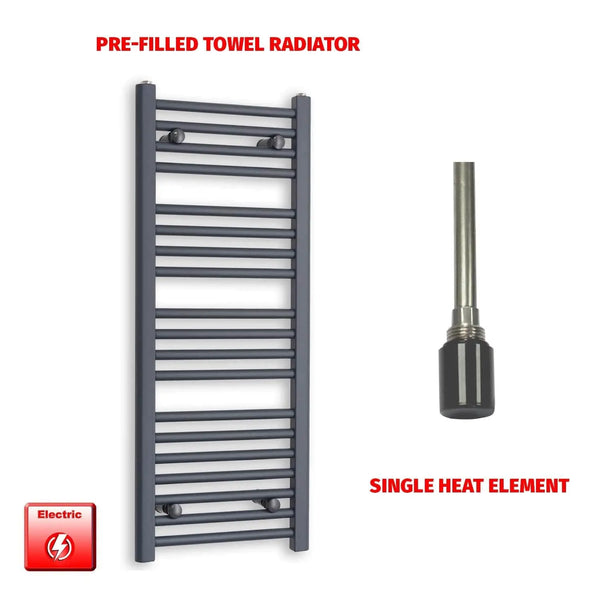
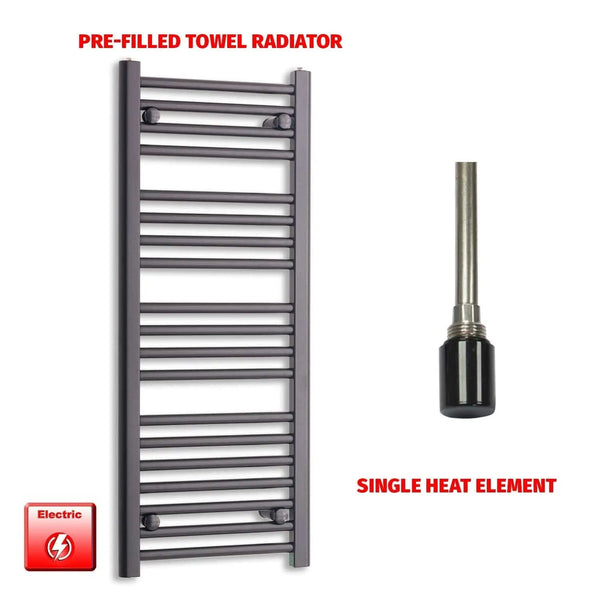
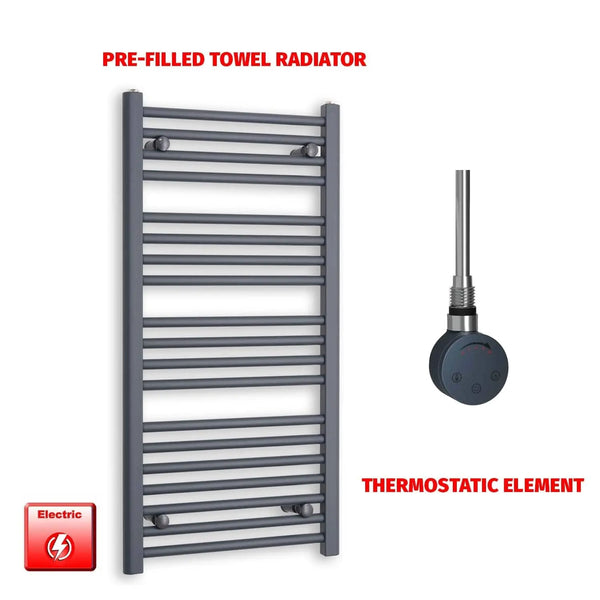
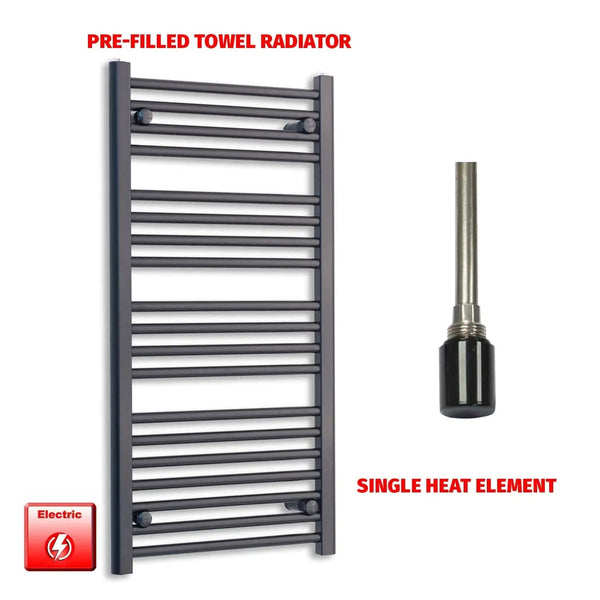
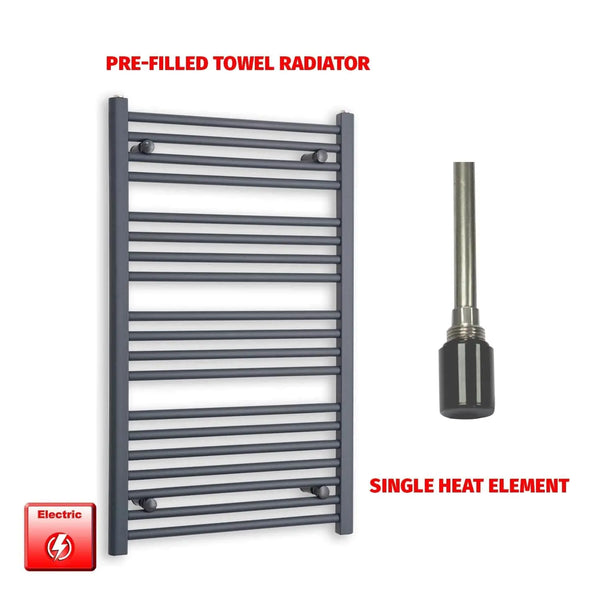
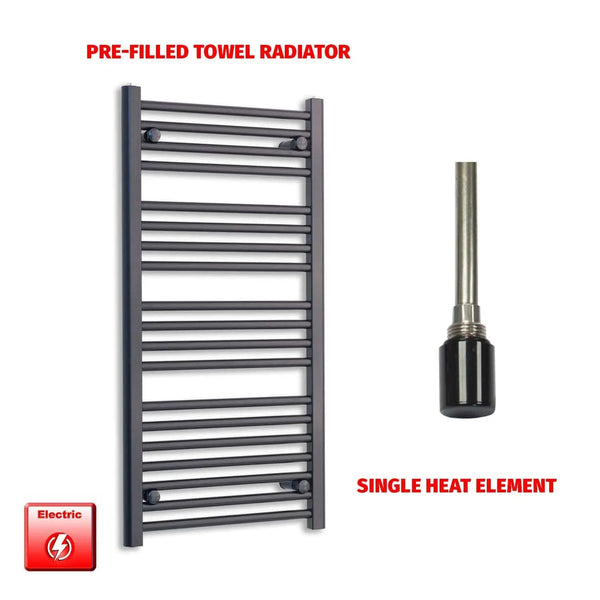
- Anthracite: A sleek, contemporary finish that adds a touch of sophistication. Ideal for more modern or industrial-style bathrooms.
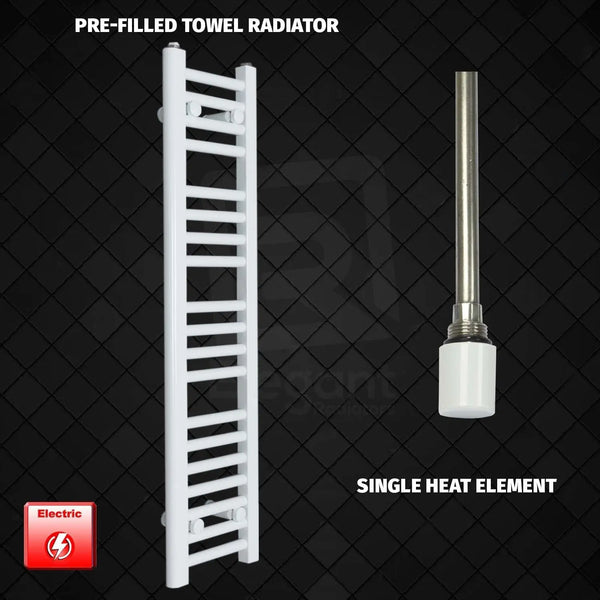
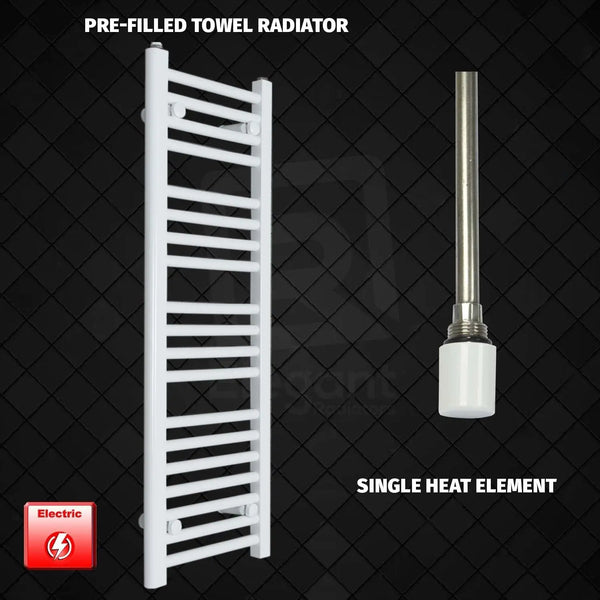
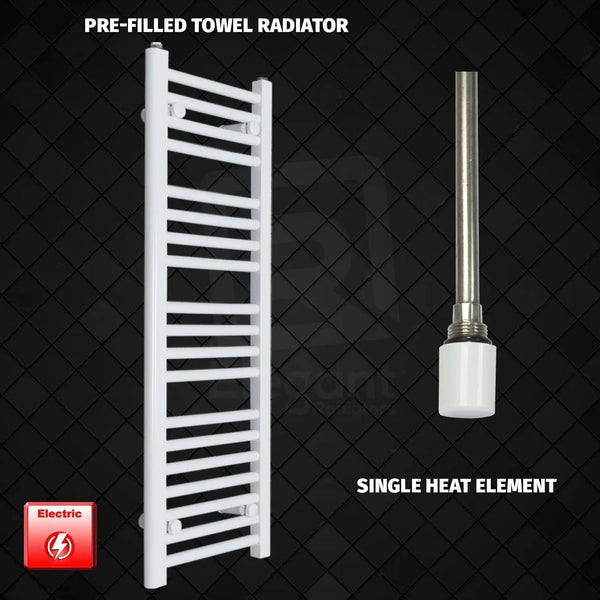
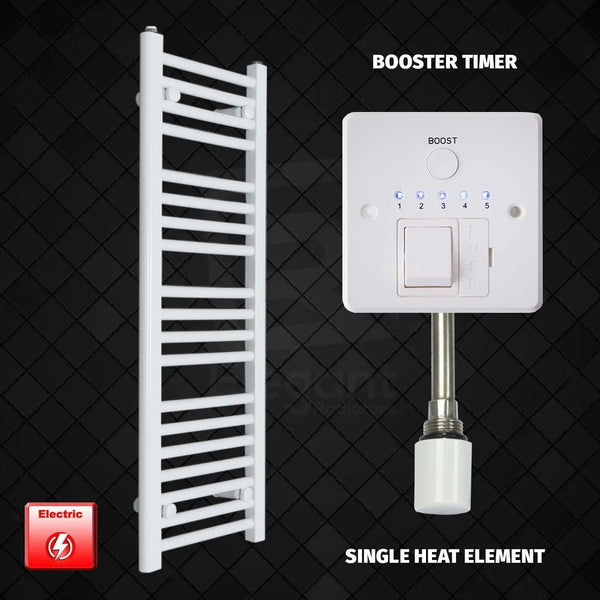
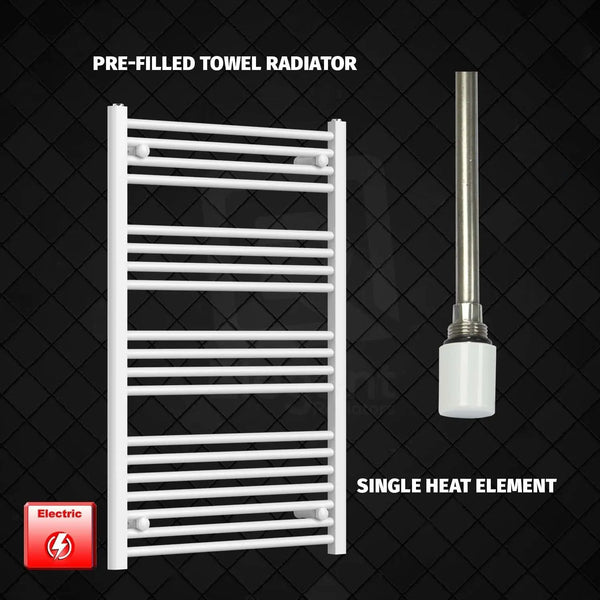
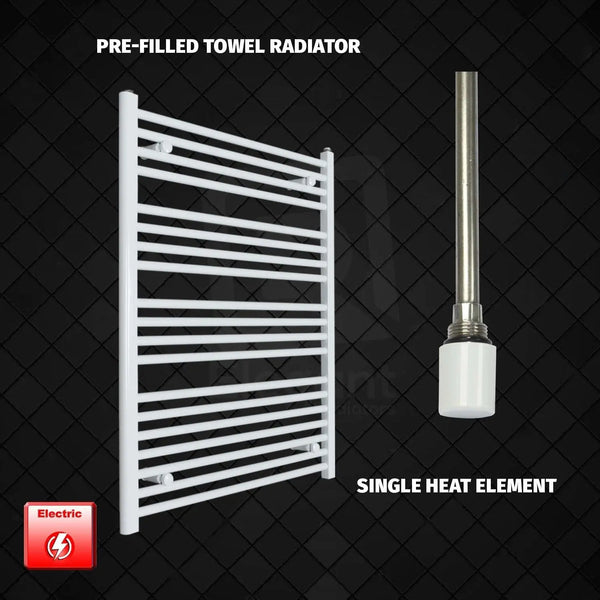
- White: A versatile option that blends well with any decor. Perfect for smaller bathrooms where you want to maintain a light and airy feel.
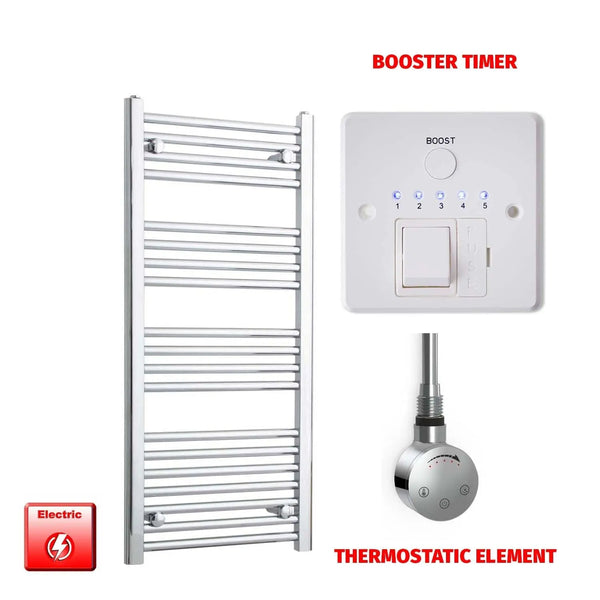
- Thermostatic: These models allow you to control the temperature precisely. Best for those who prefer consistent warmth. Common mistake: not understanding how to set the thermostat correctly can lead to inefficiency.
- WiFi-Enabled: For tech-savvy homeowners, these rails can be controlled via a smartphone app. Ideal if you want convenience and energy savings. Just ensure your home has reliable Wi-Fi coverage in the bathroom area.
- Dual Fuel: These models can be connected to both an electric supply and central heating. Best for those who want year-round warmth without relying solely on electricity. Common mistake: not understanding how to switch between modes can lead to confusion.
What Most People Get Wrong About Electric Towel Rails
The wiring mistake nobody talks about. The most common “faulty element” call I get isn't a faulty element at all it's an electrician who's screwed the cable insulation into the fused spur port instead of stripping it back to bare copper. No contact, no heat, and somehow the rail gets blamed. Before assuming the element is dead, check the fused spur connection first.
Wrong size for the space. Our 200mm-wide rails are popular for tight spots, but buyers are often surprised how little horizontal bar space that leaves once you subtract the 80mm taken up by the vertical bars, you're left with 120mm of actual drying width. Always measure with the rail's bar dimensions in mind, not just the overall footprint.
No maintenance, then corrosion. Towel rails condensate when they're not heated. If you never wipe them down, that moisture builds up and corrodes the finish from the outside in shortening the life of the rail considerably. Two minutes with a dry cloth every few weeks is all it takes.
How to Choose the Right Electric Towel Rail
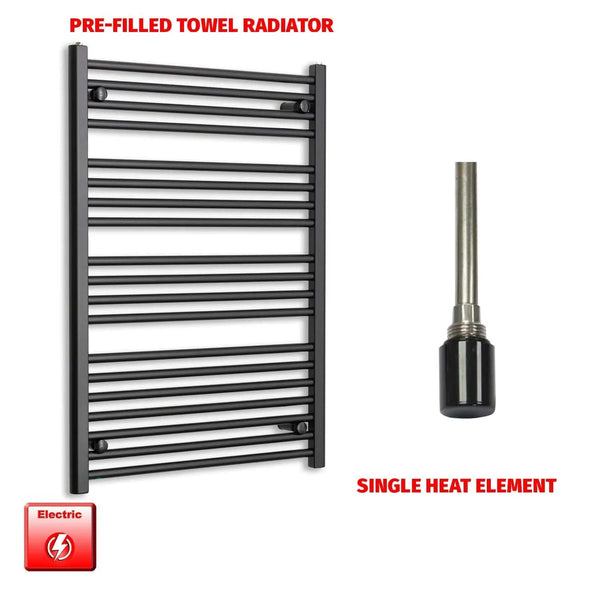
Wattage first. For most UK bathrooms under 4m², a 500-600W element is sufficient. Larger family bathrooms or rooms with poor insulation need 800-1200W. If in doubt, go higher an oversized element running at lower temperature is more efficient than an undersized one working flat out.
IP ratings matter more than people think. Bathrooms are split into zones, and your rail needs to comply. Our non-thermostatic elements carry an IPX6 rating; thermostatic models are IPX4. Fused spur timers carry no IP rating at all they must be installed outside the bathroom, typically in a hallway or bedroom. This isn't a technicality, it's a building regulation and directly affects insurance claims.
If you're unsure what to order, here's what I'd recommend for most people: a thermostatic element with a digital or WiFi fused spur timer. The thermostat keeps temperature consistent; the timer means your towels are warm before you step into the bathroom not 30 minutes after.
Installation and Running Costs
Installation. Most electric towel rails wire into a fused spur a dedicated switched connection on your wall. It's not a complex job, but it does need to be done correctly. Over 70% of our customers use a qualified electrician, and we'd recommend the same. A bad connection at the fused spur is the single most common cause of a rail that “doesn't work” and it's entirely avoidable with a proper installation.
Running costs. At the current UK electricity rate of 24.67p/kWh (Ofgem, from 1 April 2026), a 600W electric towel rail costs approximately 14.8p per hour to run. Used for two hours a morning, that's around 30p a day roughly £2.05 a week. The key is a timer running it only when needed keeps costs predictable and low.
Frequently Asked Questions
Q: How do I know if an electric towel rail is safe for my bathroom?
A: Safety is crucial in bathrooms. Ensure your electric towel rail has at least an IP44 rating. This rating means it's protected against splashing water and dust, making it suitable for installation in most areas of a bathroom.
Q: Can I use an electric towel rail with a timer or thermostat?
A: Absolutely! Many models come with built-in thermostats or can be paired with external timers. A programmable thermostat allows you to set specific times for heating, ensuring your towels are warm when you need them and saving energy when they're not.
Q: How much does it cost to run an electric towel rail?
A: Less than most people expect. At the current Ofgem rate of 24.67p/kWh, a 600W rail costs around 14.8p per hour roughly 30p a day if you run it for two hours each morning. That's about £2.05 a week. The real saving comes from using a timer heat it when you need it, not all day.
Q: Are electric towel rails easy to install?
A: Yes, they are generally straightforward to install, but it's important to follow safety guidelines. Most models require wiring into a dedicated circuit or a fused spur. If you're not confident in your DIY skills, hiring a qualified electrician is recommended.
Q: Can I use an electric towel rail in a steam room?
A: Electric towel rails are generally not designed for high-humidity environments like steam rooms. The increased moisture can lead to corrosion and safety issues. For such areas, consider specialist heating solutions designed for high-moisture environments.
Q: What's the difference between a dual fuel and an electric-only towel rail?
A: A dual fuel rail connects to both your central heating and an electric element, so your towels stay warm year-round not just when the boiler is running. There's another benefit most people don't know: because a dual fuel rail stays warm more consistently, it reduces the condensation that builds up on cold rails, which is the main cause of corrosion over time. If your plumbing allows it, dual fuel is my first recommendation. If not, electric with a thermostat element and a timer is the next best thing.
Need just the element? Browse our heating elements collection — replacement and upgrade elements for all rail types.
Electric Towel Rail FAQs
Electric towel rails contain a heating element connected to your mains electricity supply. They heat independently of your central heating system, so you can use them all year round — including in summer when your boiler is off. Most models are available with a thermostatic element or a separate fused spur timer so you can control running times and temperature precisely.
Yes — electric towel rails must be installed by a qualified electrician or Part P certified installer. In bathrooms, all electrical work must comply with BS 7671 wiring regulations and be notified to Building Control. Installation typically takes 1–2 hours. Using a certified professional also protects your product warranty.
Based on the current UK energy rate of 24.67p/kWh (from 1 April 2026), a 100W electric towel rail costs approximately 2.5p per hour. Running it for 2 hours daily works out at around £1.80 per month — very economical. Larger 300W models cost around 7.4p per hour. Adding a timer to run the rail only when needed keeps costs to a minimum.
In a bathroom, the IP rating depends on the zone. Zone 2 (within 60cm of a shower or bath) requires a minimum of IPX4 (splash-proof). Our non-thermostatic elements are rated IPX6; thermostatic elements are rated IPX4 — both suitable for bathroom use. Fused spur timer switches are rated IP20 and must always be positioned outside the bathroom zones.
Electric towel rails primarily warm your towels and provide comfortable background heat. For a fully heated bathroom, match the rail's wattage to your room's BTU requirement. As a guide, a 150W rail outputs roughly 500 BTU — ideal for a small ensuite, but larger bathrooms may need a supplementary panel heater. Use our free BTU calculator on site to find the right output for your room.