


Last updated: May 2026
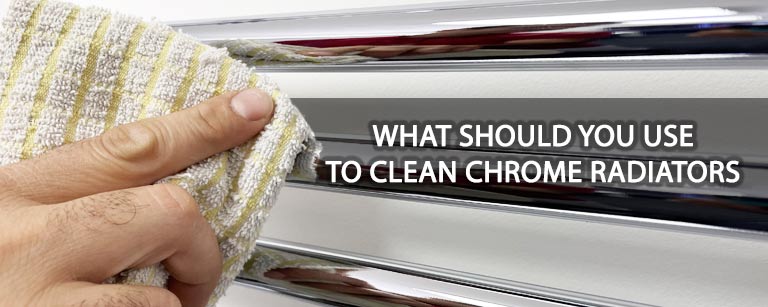
Chrome bathroom radiators look stunning — but the finish is softer than stainless steel and needs careful handling. Harsh chemicals or abrasive cloths will strip the chrome plating and leave permanent scratches. Here are the six tools and solutions that clean chrome safely:
- Radiator brush or duster — A flexible radiator brush reaches into the bars and gaps of a towel rail or column radiator without scratching. For light dust, a dry microfibre duster is enough.
- Mild detergent and warm water — A few drops of washing-up liquid in warm water removes everyday fingerprints and soap scum. Apply with a soft cloth, rinse, and dry immediately.
- Microfibre cloth — Use a microfibre cloth for all wiping steps. It traps particles in its fibres rather than dragging them across the chrome, eliminating the risk of fine scratches.
- White vinegar or lemon juice solution — Mix equal parts white vinegar and warm water for rust spots or limescale. The mild acid dissolves deposits on contact. Let it sit for 10–15 minutes before wiping.
- Aluminium foil ball — Crumple a small piece of aluminium foil into a loose ball, dip in clean water, and rub gently over rust spots. The aluminium reacts with rust without scratching the chrome beneath.
- Old soft toothbrush — Invaluable for cleaning around valve connections, bar joints, and other tight corners where a cloth cannot reach.
How to Clean Your Chrome Bathroom Radiator: Step by Step
Since bathrooms are damp and humid, chrome bathroom radiators need regular cleaning to prevent mineral deposits and surface rust. Follow these steps:
- Switch off the radiator — Turn the heating off and allow the rail to cool completely before you start. Working on a hot rail causes cleaning solutions to evaporate and leave streaks.
- Remove loose dust — Use a radiator brush or dry microfibre duster to clear dust and debris from between the bars and around valves. Don’t skip this step — wiping over dust with a damp cloth will scratch the chrome.
- Wipe with soapy water — Dampen a microfibre cloth in warm water with a few drops of mild washing-up liquid. Wipe down all surfaces, working top to bottom. Rinse with a clean damp cloth.
- Treat rust or limescale spots — Spray a 50/50 white vinegar and water solution directly onto affected areas. Leave for 10–15 minutes, then gently rub with a microfibre cloth or aluminium foil ball until marks lift. Lemon juice works equally well.
- Dry immediately — Wipe the entire rail with a dry microfibre cloth. Leaving water on chrome causes water marks and speeds up corrosion — especially in a bathroom where condensation is common.
- Polish (optional) — Buff with a small amount of chrome polish or a light coating of WD-40 on a cloth. This restores the shine and leaves a thin protective film that slows future tarnishing.
Never use bleach, abrasive cream cleaners, scouring pads, or alcohol-based sprays on chrome — all of these will strip the plating permanently.
Maintaining Your Chrome Bathroom Radiators
The look and performance of your chrome bathroom radiators depend on regular cleaning and polishing. Frequent cleaning stops the accumulation of grime, dust, and rust, which over time can harm the surface. To prevent scratching the chrome finish, use mild detergents and microfiber towels for cleaning. Lemon juice or white vinegar work wonders for more stubborn rust areas. Always make sure your radiators are completely dry after cleaning to avoid water stains and further corrosion. You can prolong the life of your chrome bathroom radiators and maintain their impeccable appearance by adhering to these easy procedures.
Recommend blog post: How to bleed a bathroom radiator
How to Clean Chrome Bathroom Radiators FAQ
How do you get rust off chrome radiators with vinegar?
Mix equal parts white vinegar and warm water in a spray bottle. Spray the solution onto the rusty areas and let it sit for 20 to 30 minutes. Gently scrub with a soft microfiber cloth or a crumpled piece of aluminum foil. Rinse with clean water and dry thoroughly to prevent new rust.
How to get pitted rust off chrome?
Apply a neutral-pH, chrome safe rust remover and allow it to work according to the product instructions. Use ultra-fine (#0000) steel wool or a crumpled piece of aluminum foil to gently buff out the pits. Finish by applying a chrome polish and buffing with a soft cloth to restore shine.
How to get rust off chrome without scratching?
Never use hard brushes or abrasive pads that can damage the chrome. Make a paste of baking soda and water or spray straight white vinegar to soften the rust. Gently rub the area with a microfiber cloth until the rust lifts, then rinse and dry.
How to remove rust from chrome towel radiator?
Spray white vinegar or apply a baking-soda paste to the rust spots and let it sit for 15 minutes. Rub gently with a soft brush or cloth to lift off the rust. Wipe the surface clean and apply a thin coat of chrome polish to protect against future corrosion.
How to remove rust from heated towel rail?
Turn off the rail and allow it to cool completely. Apply a vinegar solution or a paste made from lemon juice and salt to the rusty areas. Gently scrub using a soft brush or cloth until the rust is removed. If stubborn rust remains, lightly sand with 400 - 600 grit sandpaper, then apply a rust-inhibiting primer and finish with suitable paint.
How to remove rust from chrome bathroom fixtures?
Dip a soft cloth or cotton swab in white vinegar and apply to the rust spots, letting it sit for ten minutes. Sprinkle baking soda over the area and gently rub to remove the rust particles. Rinse thoroughly, dry with a soft cloth, then buff with chrome polish to restore shine.
How to remove rust from white radiator with vinegar?
Do not pour vinegar directly onto the painted surface. Dab a mixture of equal parts vinegar and water onto the rust spots using a soft cloth. Let it sit briefly, then gently rub until the rust is lifted. Rinse with clean water, dry completely, and if needed, apply an enamel safe rust inhibitor spray.
Rusty radiator in bathroom?
Turn off the radiator and allow it to cool fully. Treat all rusty areas with white vinegar, baking soda paste, or a pH-neutral rust remover. Scrub the surface with a soft brush or cloth until rust is gone. Rinse and dry thoroughly, then apply a protective coating such as chrome polish or a suitable radiator paint.
How to clean towel rail stains?
Identify whether the stains are soap scum, limescale, or oil rather than rust. Spray the stained areas with a vinegar-water solution and let it sit for five minutes. Wipe clean and rinse with water. For persistent marks, apply an oxygen-based cleaner paste, scrub gently, then rinse and dry.
How to clean towel rail with vinegar?
Combine equal parts white vinegar and water in a spray bottle. Coat the entire rail, focusing on stained sections, and let it sit for 10 to 15 minutes. Wipe down with a microfiber cloth, rinse with clean water, and dry to prevent new deposits.
How to clean towel rail bathroom radiator?
Begin with a mild household detergent to remove surface dirt. Follow by treating with white vinegar or a limescale remover, gently scrubbing the deposits away. Rinse thoroughly, dry the rail completely, and if desired, apply a chrome-protective spray to maintain the finish.
How to stop bathroom radiator rusting?
Wipe the radiator dry after each use to eliminate moisture. Apply a clear chrome polish or rust-preventive spray periodically for a protective barrier. Ensure the bathroom is well ventilated to reduce humidity and slow down corrosion.
How to clean rust of chrome radiator?
Soften the rust by applying a baking-soda paste or spraying with white vinegar. Gently rub the area with a microfiber cloth or a small ball of aluminum foil until the rust is removed. Finish by buffing with a chrome polish to seal and protect the surface.
White towel rail rust?
Lightly sand the rusty spots using 400-600 grit sandpaper until the corrosion is gone. Spray on an enamel-compatible primer and allow it to dry fully. Repaint with white radiator paint and seal with a clear, rust-inhibiting protective coat.

Ibrahim Kalay
Founder, Elegant Radiators
Heating specialist since 2014. Ibrahim founded Elegant Radiators from our Coventry warehouse (CV7 9NH), supplying thousands of UK homes with quality designer radiators and towel rails. His hands-on experience with BTU calculations, installation requirements, and product specifications informs every article on this blog.
✨ Time for a New Towel Rail?
If your chrome is looking tired despite cleaning, it might be time to upgrade. Our new models feature improved chrome plating that stays shiny for longer.
Browse Chrome Towel Rails →
Comments